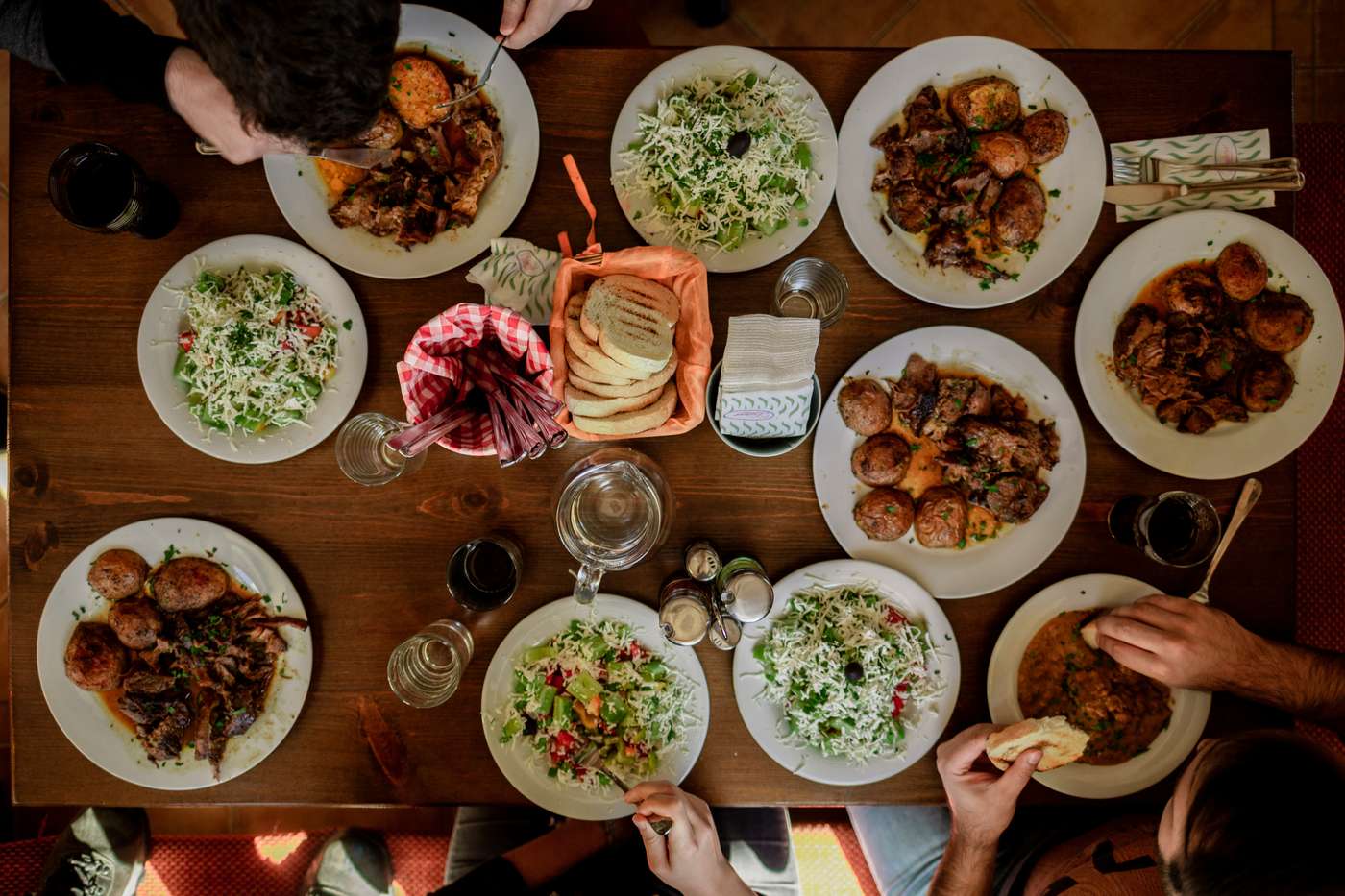
Bulgaria is where the Black Sea meets bargain breaks, 400km of beach, the best potatoes in Europe (honestly, you've got to try them) and prices that make the Med look ambitious.
💡 Good to Know (Holidays to Bulgaria 2026)
☀️ Weather: Summer highs of 28 to 30°C from June to September, the Black Sea a swimmable 24 to 26°C. Winters are cool but mild on the coast at 5 to 10°C.
💶 Money: Still one of the cheapest spots in Europe, a pint is £2 to £3, a meal for two around £20 to £35.
🎉 Fun fact: Bulgarians nod for "no" and shake their head for "yes", opposite of the UK. Legend has it locals swapped the gestures during Ottoman rule to confuse their captors, and the habit just stuck.
Highlights of your Bulgaria Holidays 2026 / 2027
Beautiful coasts and rugged mountains - get a destination that can do both
Multiple UNESCO sites (so you can impress your friends and fam with a bit of history)
A swimmer's paradise, with lakes and rivers just begging for a dunk
All-Inclusive Holidays in Bulgaria
Why go all-inclusive in Bulgaria? Well, all-inclusive holidays are usually great value anyway. Bulgaria? One of Europe's best value holiday destinations. Put them together and what do you get? Ultra mega value! Prices so low they win every late night limbo going. All-inclusive in Bulgaria means you get all your drinks and all your food included in the price so you can leave your wallet all tucked up safely in your room and dive into that endless Black Sea coastline packed with everything from mega family fun zones to swanky boutique hotels.
Best beaches for your Bulgaria holidays
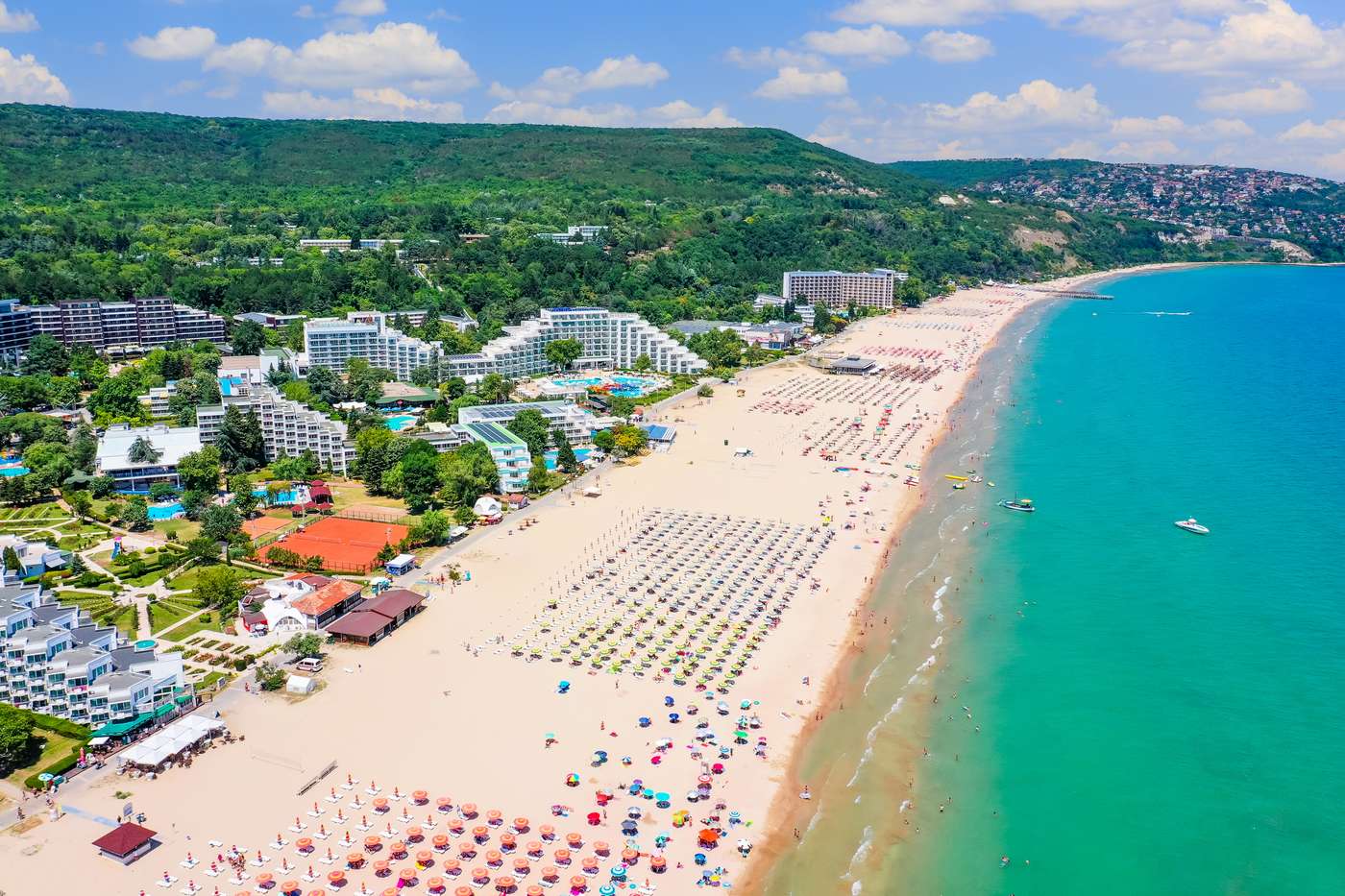
Bulgaria's Black Sea coast runs about 400km top to bottom, with some of the best value beach holidays in Europe bundled along it. Long golden-sand stretches in the north, cliff-backed coves in the south, and a handful of genuinely wild beaches tucked in between. Here's where to drop the towel.
Sunny Beach – THE coastal hotspot for fun and games along the Bulgarian Riviera, with watersports, a ton of bars and thrumming nightlife that goes down a treat with the youngsters (and the young-at-heart)
Golden Sands Beach – a proper long stretch with - you guessed it - golden sands! It's the perfect place for a bit of flop-and-drop, and it's got some fab facilities in the area if you fancy a shopping spree or a night on the town
Albena Beach - a beaut of a beach with fine sands, FREE sunbeds and parasols, a choice of sports and shallow waters perfect for paddling kiddos
Silistar Beach - tucked away from the hustle and bustle, this 1km-long stretch is proof that good things do come in small packages, with rugged landscapes for a bit of shelter, primo conditions for kayaking and paddle-boarding, and a big wooden swing (Bali-style), for the perfect Insta pic
Bolata Bay - a wild and rustic beach where there's no music - just the sound of the sea, with an ice cream truck for snacks, and steps leading up to a rocky clifftop where you can admire the 10/10 views
Irakli Beach - recognised as one of Bulgaria's most aesthetic beaches, with minimal facilities (including in the swimwear department, because it *is* a 'clothing optional' beach - just a heads up!), but the clear waters, soft sands and forest-like surroundings are all you need for a chilled-out time
What are the top hotels for your holidays to Bulgaria?
Bulgaria's hotel scene runs from five-star beachfront resorts with 10 restaurants and full spa complexes down to solid four-star all-inclusives at prices that'd barely cover a long weekend elsewhere. Most of the action is around Sunny Beach, Nessebar and Golden Sands, with Albena quieter and more family-oriented. We've broken it down a bit for you though, so you don't have to do any heavy lifting...
👨👩👧👦 Families
Melia Sunny Beach Resort, three outdoor pools plus a mini waterpark and an indoor pool, private beach access and a proper mix of dining options (German beer garden, Indian, buffet, beach bar). Solid four-star, smack in the middle of Sunny Beach but on its own private stretch.
Sol Nessebar Palace, five-star all-inclusive with multiple pools and waterslides, kids' club, and an Italian restaurant among the dining options. A short walk to Nessebar Old Town, so the grown-ups get the cultural day out when the kids are done with the slides.
Hotel Gergana, Albena resort classic with mini waterpark, kids' club and playground, plus the Albena area's signature "Dine Around" scheme that lets you eat at any participating hotel's à la carte restaurants. Ultra all-inclusive available, private beach with its own "Beach Library" for the quieter moments.
💑 Couples
Secrets Sunny Beach Resort & Spa, adults-only five-star with infinity pools, swim-up bar, full spa complex and Preferred Club upgrade for a proper luxury tier. Right on the beachfront with sea-view rooms across the board. The couples' pick on this coast.
Helena Park, five-star tucked at the quieter Sveti Vlas end of Sunny Beach, a 20-minute promenade walk from the nightlife if you want it. Set in landscaped gardens with a piano bar, beachfront barbecue and shared spa with the neighbouring Helena Sands. Grown-up feel without being dull.
Garden of Eden, cleverly named Sveti Vlas resort with eight pools, a private sandy beach and a genuinely peaceful setting between the gardens and the sea. Couples-friendly rather than adults-only, so works if you want the romantic vibe but not the strict no-kids policy.
✨ Luxury
Melia Grand Hermitage, five-star beachfront on Golden Sands with a dedicated rustic-style paella bar (Paellador Levante) among its restaurants, plus "The Level" concept for guests wanting an exclusive buffet, lounge and pool area. Polished and quiet, a full step above the standard Golden Sands all-inclusive.
Sol Nessebar Resort (Bay and Mare), sprawling five-star with Japanese, Spanish tapas and German beer-garden restaurants on site, plus a lazy river that floats you from the resort down to the beach. Kids' club too, a luxury pick that still works for families.
🎉 Groups
Grand Hotel Sunny Beach, beachfront four-star slap bang in the middle of Sunny Beach with an Irish pub on site (genuinely useful for a mates' trip), buffet restaurant and outdoor pool. Five minutes from Flower Street when the night actually gets going.
🍹 All-Inclusive in Bulgaria
Barcelo Royal Beach, five-star all-inclusive in Sunny Beach with large outdoor pools, a choice of restaurants and 100m from the beach. Nearly 1,800 reviews and still ridiculously cheap by Western European standards. Big enough for groups, polished enough for couples, and kids stay free on selected dates.
Atlas Hotel, ultra all-inclusive in Golden Sands where the package covers everything from the buffet to the pool bar and the on-site entertainment. Solid pick if you want the northern coast's Blue Flag beach with the full all-inclusive treatment and no surprises on the bill.
Flamingo Grand Hotel and Spa, five-star in Albena with three pools, a spa, a private beach and shuttle service. The quieter, more upmarket end of Bulgaria's all-inclusive scene, and the Albena "Dine Around" scheme means you can eat at other participating hotels' restaurants too.
💰 Value
Mena Palace Hotel, budget-friendly Nessebar-side pick with mini golf, kids' playground, outdoor pool and a beach-themed cocktail bar. Does the basics well for a small fraction of what a similar resort costs elsewhere in Europe.
Nobel, unusual for a Sunny Beach-area hotel in that it has a Serbian restaurant on site, plus a pool, spa and a 30-minute stroll to Nessebar Old Town. A proper character pick at the value end.
Shipka, a few minutes' walk from Golden Sands beach with two big pools, a BBQ steakhouse, and a pool bar running all day. Value end of Golden Sands without feeling tired.
👉 See all Bulgaria hotels | All-inclusive Bulgaria holidays
🛏️ Where to stay on your Bulgaria holidays 2026 / 2027
Bulgaria's Black Sea coast splits into two main areas, each with its own airport. The northern stretch (Varna) runs from Golden Sands up to Albena, family-friendly with plenty of spas. The southern stretch (Burgas) covers Sunny Beach, Nessebar and Sozopol, the liveliest part of the coast and closest to the UNESCO sites.
👨👩👧👦 For families
Golden Sands, 30 minutes from Varna Airport. Bulgaria's cleanest big resort, Blue Flag beach, safe shallow water and a nature park wrapped around the back for shady walks. Large all-inclusive resorts dominate, and you're close enough to Varna for a day in the Sea Garden park with the kids.
Albena, 35 minutes from Varna Airport. The quieter family option, car-free resort, free sunbeds and parasols on the beach, and a unique "Dine Around" scheme that lets guests eat at any participating hotel's restaurants. Calmer than Golden Sands, still right on the sand.
💑 For couples
Nessebar, 35 minutes from Burgas Airport. The UNESCO-listed old town on a rocky peninsula, cobbled streets, ancient churches, candlelit seafood restaurants. Staying here means you're a 15-minute drive from Sunny Beach nightlife if you want it, and a world away from it when you don't.
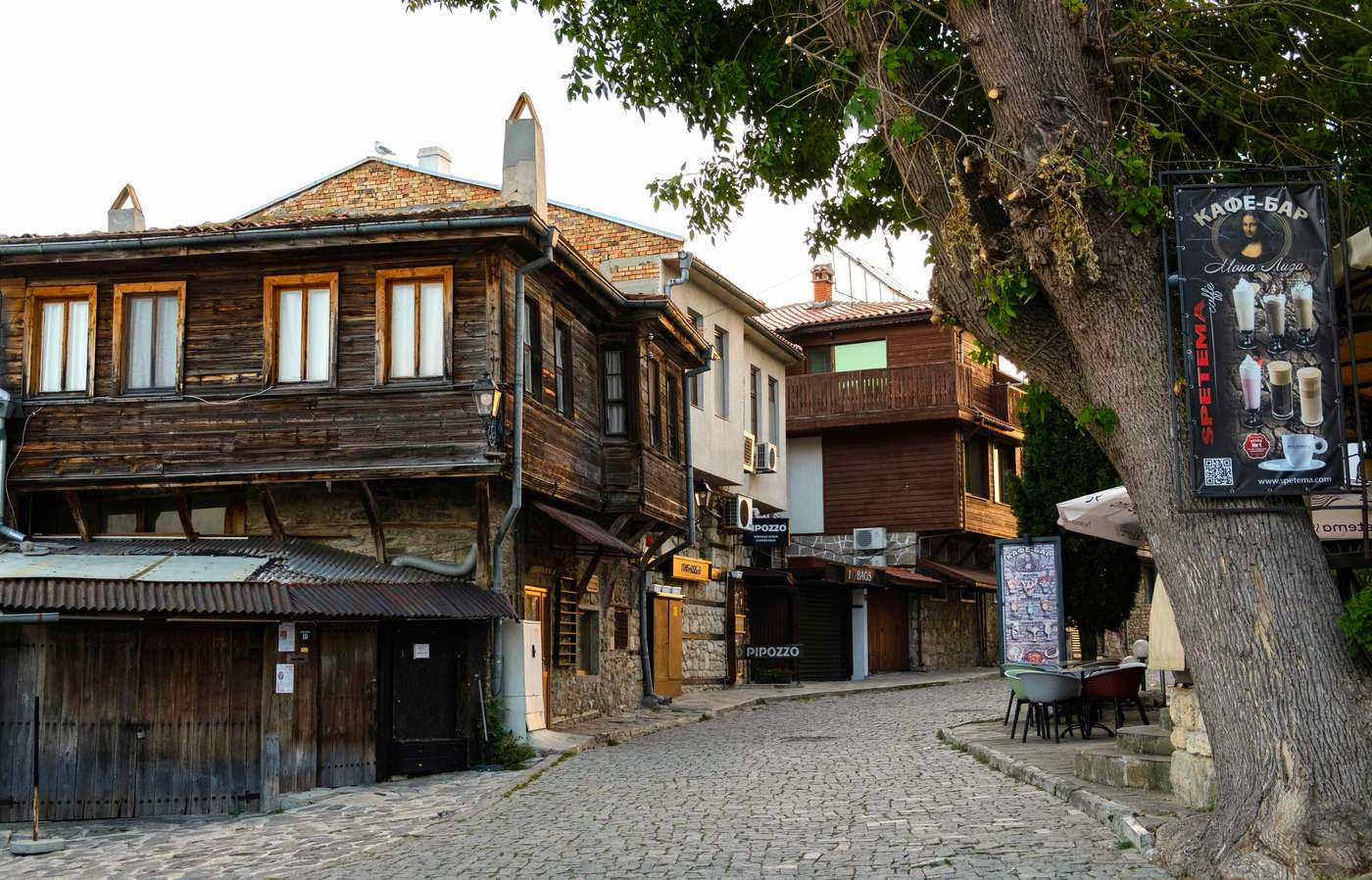
Sozopol, 40 minutes from Burgas Airport. Smaller, quieter and genuinely charming, wooden houses on cliffs over the sea, a little old town to wander, and a handful of family-run seafood tavernas that make up for the lack of nightlife. The couples' pick if you've done Nessebar.
🎉 For groups
Sunny Beach, 30 minutes from Burgas Airport. The headline resort for a reason, 8km of beach, Flower Street as the party spine, beach clubs running through the day into the small hours and drinks prices that make Magaluf look spendy. Sveti Vlas at the north end is quieter if the group wants a calmer base with the nightlife a short taxi away.
Pssssst. We've got bucketloads of last-minute deals for you to get your paws on. You could be on holiday as soon as next week. Fancy it?
🗣️ Local Lingo
Bulgarian uses the Cyrillic alphabet, which was actually invented here in the 9th century, so you're reading a script with roots right under your feet. Most people working in Sunny Beach, Golden Sands and the other big resorts speak enough English for menus and directions, but head inland or into smaller towns and a few phrases go a long way. Locals warm up fast if you have a go.
Zdrasti (Здрасти), Hi / Hello (informal)
Dobro utro (Добро утро), Good morning
Blagodaria (Благодаря), Thank you
Molia (Моля), Please / You're welcome
Nazdrave (Наздраве), Cheers
Kolko struva? (Колко струва?), How much is it?
Nazdrave (Наздраве), Cheers
Kolko struva? (Колко струва?), How much is it?
And remember the big one, locals nod for "no" and shake their head for "yes". Might take a couple of days to get your head around.
Bulgaria holidays 2026 / 2027 travel guide
👨👩👧👦 Things to do for families
Bulgaria is a winner for family holidays on price alone, but it backs that up with proper family infrastructure, big resort waterparks, shallow-water beaches, and enough day trips to fill a fortnight.
Action Aquapark, located in Sunny Beach, the biggest waterpark on the Bulgarian coast with a lazy river, slides for all ages, a splash pool for toddlers and a small zoo. Full day, entry around £25 for adults and half for kids.
Old Nessebar, the UNESCO-listed peninsula town is only 15 minutes from Sunny Beach and has cobbled streets, ancient church ruins, ice cream shops every 20 metres and a little tourist train that runs around the old town walls. A solid half-day out.
Khan's Tent dinner show, Nessebar, a traditional Bulgarian dinner-and-show venue with acrobats, folk dancers and fire performers. Tacky but in the good way, kids love it, adults get enough rakia to forgive the cheese.
Sea Garden, Varna or Burgas, both coastal cities have a huge seafront park called Sea Garden, playgrounds, shaded walking paths and space for a picnic. Free, and a good rainy-day alternative when the beach isn't playing ball.
💑 Things to do for couples
If you want a couple's getaway that doesn't break the bank, Bulgaria genuinely delivers. Spa days, candlelit seafood and sunset harbours, all at a fraction of the cost elsewhere in Europe.
Pomorie Mud Baths, the Pomorie salt lake has been a therapeutic destination since Thracian times. You can float in the lake itself or book a proper spa treatment nearby, around £20 to £40 per person. An hour from Sunny Beach.
Nessebar Old Town at sunset, cobbled streets, Ottoman-era wooden houses and candlelit seafood restaurants lining the harbour. The perfect setting for a romantic evening. Book a table at Mehana Chevermeto for the full traditional menu.
Sozopol day trip, quieter than Nessebar and often prettier, wooden houses on cliffs over the sea and a tiny old town you can walk in an hour. Good for a quiet lunch away from the resort crowds.
Varna Thermal Baths, a proper therapeutic spa using the city's natural mineral springs. The Aquahouse complex near Golden Sands is the most visitor-friendly option, around £30 per person for a half-day.
🎉 Things to do for groups
Sunny Beach is legendary among UK groups for a reason, the nightlife genuinely rivals Magaluf and the prices are half. But Bulgaria has more to offer a group holiday than just Flower Street.
Flower Street, Sunny Beach, the nightlife spine, neon bars, British-themed pubs, open-air clubs and kebab stops on every corner. Pints from £2, shots from £1.
Black Sea boat parties, afternoon party boats run out of Sunny Beach marina, usually £20 to £30 per person including drinks. Four hours of tunes, swim stops and general shenanigans.
Paintball or quad biking in the forest, decent break from the booze. Half-day excursions around £25 per person, most hotel tour desks can book it.
Casino Varna, if the group fancies a dress-up night, Varna has a proper casino in the International Hotel with blackjack, roulette and a restaurant. 45 minutes from Golden Sands.
🏃 Travel tips for your last minute holidays to Bulgaria
Booking late doesn't mean missing out; in fact, Bulgaria's one of the most "spontaneous-friendly" destinations in Europe. Because it’s so affordable, your last-minute budget will stretch further than your belt after a week of wining and dining.
Flexibility is your friend - if the main Sunny Beach hotels are full, look 10 minutes up the coast to Sveti Vlas or Ravda. Still plenty of choice at short-notice prices, and the bus link to the main strip is cheap and cheerful.
The "Late Season" Sweet Spot - if you're booking a last-minute trip in September, you’ve hit the jackpot. The Black Sea is at its warmest, the crowds have thinned, and restaurants often drop their prices to clear seasonal stock.
No-prep Day Trips - you don't need to pre-book most excursions weeks in advance. Most "Jeep Safaris" or catamaran cruises can be booked at the harbour or a street kiosk the evening before you want to go.
More places to visit in Bulgaria
Sunny Beach, the biggest resort, 8km of beach and the most nightlife on the Bulgarian coast. 30 minutes from Burgas Airport.
Nessebar, the UNESCO-listed old town on a rocky peninsula. 35 minutes from Burgas Airport.
Sozopol, quieter, smaller and prettier. 40 minutes from Burgas Airport.
Golden Sands, the northern stretch, Blue Flag beach and proper family all-inclusive territory. 30 minutes from Varna Airport.
Albena, quieter, car-free, with the Dine Around scheme across participating hotels. 35 minutes from Varna Airport.
Bourgas Area, the full southern coast region including Sunny Beach, Nessebar and Sozopol.
Varna Area, the full northern coast region including Golden Sands and Albena.
Popular Bulgaria hotels
More Bulgaria hotelsStunning Bulgaria resorts
Weather in Bulgaria
JAN
FEB
MAR
APR
MAY
JUN
JUL
AUG
SEP
OCT
NOV
DEC
As you'd expect, summer in Bulgaria is an absolute blast, with temperatures sitting comfortably between 25°C and 30°C. Mix that with the coolness (temperature and vibe-wise) of the sea breeze, and you've got the ultimate holiday combo.
Spring and autumn are still pretty toasty too, dancing between 18°C and 24°C - perfect weather for hiking, cycling or just flopping down on a beach and doing absolutely nothing. We know what we'll be doing.
Winter's a bit of a different story, but don't panic. Temperatures do drop to around 10°C-15°C, but let's be honest - that's practically spring compared to what we're used to at home. And wouldn't you rather wrap up somewhere with coastal views, room service and seafront bars? Yeah, we thought so.
View destination on a map
View destination on a map
FAQs
What currency do they use in Bulgaria?
What currency do they use in Bulgaria?
As of 1 January 2026, the official currency of Bulgaria is the Euro (EUR, €), following the country's entry into the Eurozone. This is a significant change for travellers, if you visited Bulgaria before 2026 and still have Bulgarian Lev, lev can be exchanged for euros free of charge at Bulgarian banks until 30 June 2026.
Notes come in denominations of 5, 10, 20, 50, 100, 200 and 500 euros, with coins from 1 cent to €2. Bulgaria is an excellent value destination by European standards, your euros go further here than in most EU countries.
Cards: Visa and Mastercard accepted in hotels, restaurants and larger shops in cities and resorts. Contactless is becoming standard in tourist areas.
Cash: Still important, particularly outside major cities and tourist resorts. Many smaller restaurants, markets and rural establishments remain cash-preferred.
ATMs: Widely available in Sofia, Plovdiv, Varna, Burgas, Sunny Beach and Bansko. Use bank ATMs rather than standalone machines where possible.
Getting euros: Easy to buy before you travel from any UK bank, post office or travel money provider, no need to wait until you land.
Tipping: Not obligatory but rounding up or leaving 10% for good service is appreciated in restaurants and for taxi drivers.
What language do they speak in Bulgaria?
What language do they speak in Bulgaria?
Bulgarian is the official language of Bulgaria, written in the Cyrillic alphabet, the same script used for Russian and Serbian. You'll see Cyrillic on road signs, menus and shop fronts across the country. While this can look daunting on arrival, most tourist-facing signs in resorts and major cities include Latin script translations alongside the Cyrillic.
English is widely spoken in hotels, resorts and tourist areas, particularly in Sunny Beach, Bansko, Sofia and Varna. Away from tourist centres and in rural areas, German and Russian are often more useful than English among older generations, a legacy of Soviet-era cultural ties and German tourism on the Black Sea coast.
A few words of Bulgarian are warmly appreciated, and locals genuinely respond to visitors who make the effort.
Useful Bulgarian phrases
English | Bulgarian | Sounds like |
Hello | Здравейте (formal) | Zdra-VEY-teh |
Hi (casual) | Здравей | Zdra-VEY |
Thank you | Благодаря | Bla-go-da-RYA |
Please | Моля | MOL-ya |
Yes / No | Да / Не | Da / Neh |
Cheers! | Наздраве! | Naz-DRA-veh |
Excuse me | Извинете | Iz-vi-NEH-teh |
How much? | Колко струва? | KOL-ko STROO-va |
One cultural note worth knowing: Bulgarian head-shaking is the opposite of most other countries. A nod up and down means no, and a shake side to side means yes. It catches almost every visitor off guard at least once.
How long does it take to fly to Bulgaria?
How long does it take to fly to Bulgaria?
Bulgaria has four main airports serving UK visitors: Sofia International (SOF), Varna Airport (VAR) on the Black Sea coast, Burgas Airport (BOJ) serving the southern Black Sea resorts, and Plovdiv Airport (PDV). Choosing the right one matters as much as the flight itself.
The average flight time from London to Bulgaria is around 3 hours 10 minutes. Flight times vary slightly by departure city and destination airport.
Route | Flight time | Airlines |
London Stansted to Sofia | approx. 3h 00m | Ryanair, Wizz Air |
London Luton to Sofia | approx. 3h 10m | Wizz Air, easyJet |
London Heathrow to Sofia | approx. 3h 10m | British Airways, Bulgaria Air |
London Gatwick to Sofia | approx. 3h 10m | easyJet |
London Luton to Varna | approx. 3h 15m | Wizz Air |
London Gatwick to Burgas | approx. 3h 20m | Jet2, TUI |
London Luton to Plovdiv | approx. 3h 10m | Wizz Air |
Manchester to Bulgaria | approx. 3h 30m | Jet2, TUI, Ryanair |
Birmingham to Bulgaria | approx. 3h 20m | Jet2, TUI |
Which airport should I fly into? Fly into Sofia for the capital, Bansko ski resort and city breaks. Fly into Varna for the northern Black Sea coast and Golden Sands. Fly into Burgas for Sunny Beach, Nessebar and the southern resorts. Fly into Plovdiv for the Old Town and central Bulgaria.
What’s the time difference between the UK/Ireland and Bulgaria?
What’s the time difference between the UK/Ireland and Bulgaria?
Bulgaria follows Eastern European Time (EET, UTC+2) in winter and Eastern European Summer Time (EEST, UTC+3) in summer. Bulgaria changes its clocks at the same time as the UK, which means it is always exactly 2 hours ahead of the UK and Ireland, all year round with no exceptions.
Summer (late March to late October): UK/Ireland (BST, UTC+1) vs Bulgaria (EEST, UTC+3). Bulgaria is 2 hours ahead.
Winter (late October to late March): UK/Ireland (GMT, UTC+0) vs Bulgaria (EET, UTC+2). Bulgaria is still 2 hours ahead.
Consistent and straightforward, Bulgaria is always 2 hours ahead of home. Worth a quick note when booking restaurant tables, planning airport transfers or calling home.
Do I Need a Visa To Travel To Bulgaria?
Do I Need a Visa To Travel To Bulgaria?
No you do not need a Visa to travel to Bulgaria. Bulgaria is part of the Schengen Area, meaning UK citizens can visit for up to 90 days in any 180-day period without a visa requirement.
There are three important things to be aware of before you travel:
Passport validity: Your passport must have been issued less than 10 years before your arrival date and must be valid for at least 3 months beyond the date you plan to leave the Schengen Area. Check both conditions before booking, a passport that fails either test will mean being denied boarding.
EES (Entry/Exit System): The EU's new biometric border registration system is being rolled out across all Schengen countries including Bulgaria. Full operation is expected from 10 April 2026. When active, you may need to register your fingerprints and a photo at the border on your first entry. There is no fee and no action needed before you travel, simply follow instructions at the border.
ETIAS: A separate pre-travel authorisation system for visa-exempt visitors. The official EU position is that ETIAS will start in the last quarter of 2026. It costs €20, is valid for three years and takes minutes to complete online. Check the current status before booking travel in late 2026.
Is Bulgaria good value for money?
Is Bulgaria good value for money?
Yes, Bulgaria is one of the best value holiday destinations in Europe, now even more accessible as a Eurozone country. Despite joining the Euro in January 2026, prices remain significantly lower than western European equivalents and represent exceptional value for UK visitors.
Typical prices in 2026
Item | Approximate cost |
Beer at a local bar (0.5L) | €2 to €3 |
Coffee (espresso) | €1.50 to €2.50 |
Meal at a local restaurant | €8 to €15 per person |
Pizza or grilled meat main course | €7 to €12 |
Sunbed hire (2 beds and umbrella) | €10 to €20 |
Local bus or metro ticket | €1 to €2 |
Ski lift pass (Bansko, full day) | €35 to €45 |
Rila Monastery entry | free |
Museum entry (most) | €2 to €5 |
A mid-range daily budget of €60 to €90 per person covers accommodation, meals, drinks and activities comfortably. In beach resorts like Sunny Beach, budget travellers can spend less than €50 a day. Bansko in ski season costs more due to lift passes but remains cheaper than comparable Alpine resorts by a significant margin. The conversion to Euro has not changed the underlying cost structure of the country, Bulgaria remains genuinely affordable.
When is the best time to visit Bulgaria?
When is the best time to visit Bulgaria?
Bulgaria works brilliantly as a year-round destination, but what you get depends entirely on when you go and where you're heading.
Summer (June to September): Black Sea coast The Black Sea resorts from Golden Sands in the north to Sunny Beach and Sozopol in the south peak from late June to August. Temperatures reach 28 to 32°C, the sea is warm from June through September and the resorts are fully operational. July and August are the busiest and most expensive months. June and September offer warm, sunny weather with noticeably thinner crowds and better value.
Winter (December to March): Ski resorts Bansko, Borovets and Pamporovo offer some of the best value skiing in Europe. Bansko in particular has grown into a serious ski destination with over 75km of pistes, a modern gondola system and a lively après-ski scene. Peak season runs January to March, with reliable snow from December. Lift passes and accommodation cost a fraction of comparable Alpine resorts.
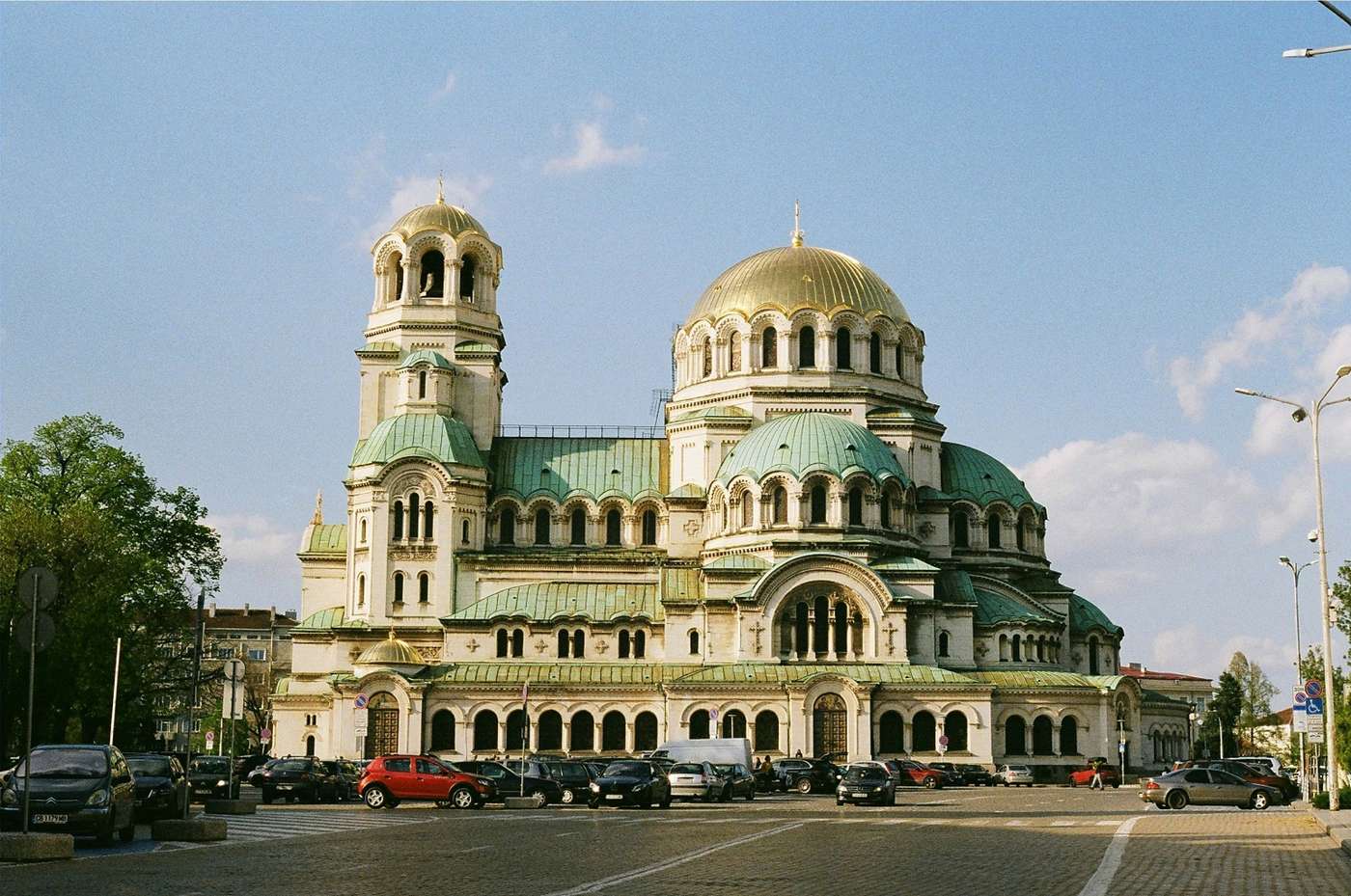
Spring and Autumn: Sofia and Plovdiv city breaks April to May and September to October are the best times for exploring Bulgaria's cities and interior. Sofia's mix of Roman ruins, Byzantine churches and Soviet-era architecture is best explored in mild, dry weather. Plovdiv's Old Town is one of the most beautiful in the Balkans and the city hosts the Plovdiv International Fair in May and September. The wine harvest across the Thracian Plain in October is an added draw for wine enthusiasts.
Best time by holiday type
Holiday type | Best months |
Black Sea beach holiday | June to September |
Skiing (Bansko, Borovets) | January to March |
Sofia and Plovdiv city breaks | April to May, September to October |
Hiking (Rila, Rhodopes, Pirin) | May to June, September |
Budget beach holiday | June, September |
Wine tourism | October |
Can I drink the tap water in Bulgaria?
Can I drink the tap water in Bulgaria?
Tap water in Bulgaria is officially safe to drink, especially in cities like Sofia and Plovdiv where it meets EU standards. As an EU member state, Bulgaria's municipal water supply is tested regularly and the standard in major cities is reliable.
That said, many visitors and locals prefer bottled water for two practical reasons: occasional taste variation due to older pipe infrastructure in some areas, and genuine differences in water quality between cities and rural areas. Stick to bottled water in rural areas and in smaller village accommodation where the supply may come from local wells or older systems rather than the municipal network.
In beach resorts and ski resorts, the practical advice is the same as the cities, tap water is safe but bottled water is widely available and very affordable at around €0.50 for a 1.5 litre bottle in a supermarket. Use tap water freely for brushing teeth, cooking and washing throughout the country.