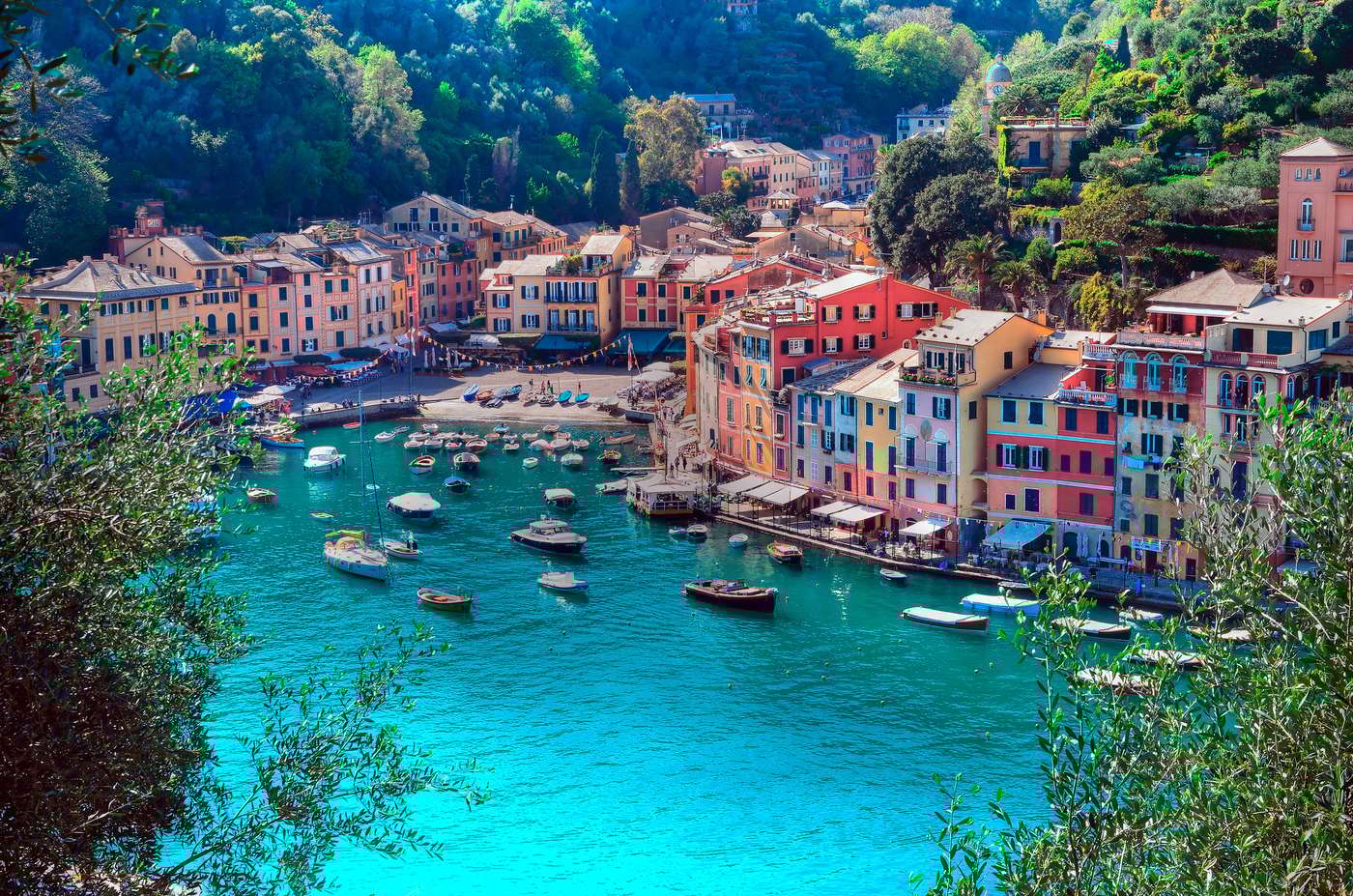
Italy holidays are the ultimate triple threat: cities dripping in history, beaches made for daydreaming, and food so good it’ll ruin your local takeaway.
✨ Highlights of your Holiday to Italy 2026 / 2027
Pizza and pasta in their birthplace – Naples alone will spoil Domino's for you - sorry!
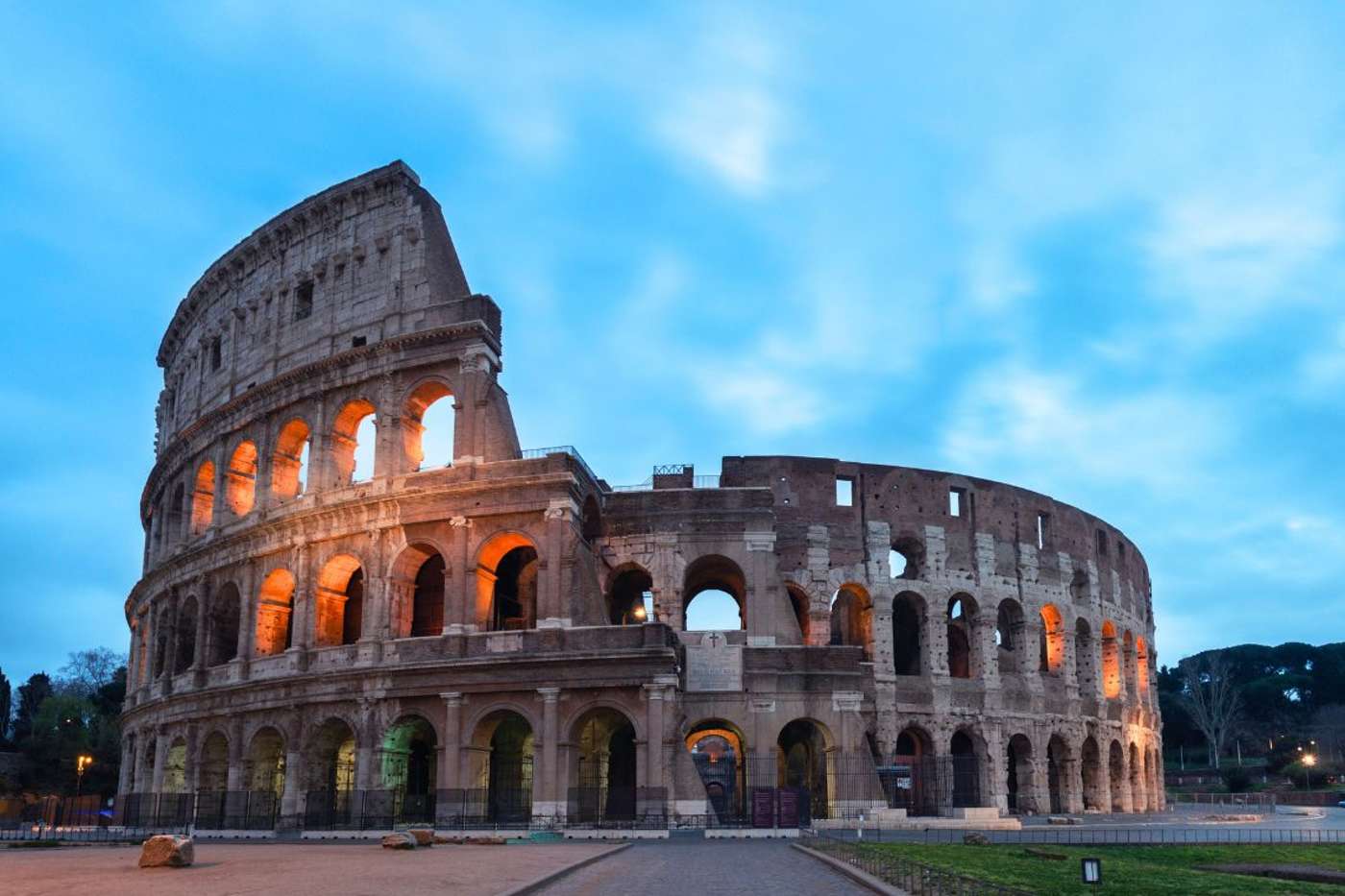
Ancient history everywhere. The Colosseum, Pompeii, the Roman Forum, the lot.
Beaches for days – Sardinia's white sand, Sicily's coves, Amalfi's drama
Wine regions galore – Tuscany, Piedmont, Veneto, take your pick
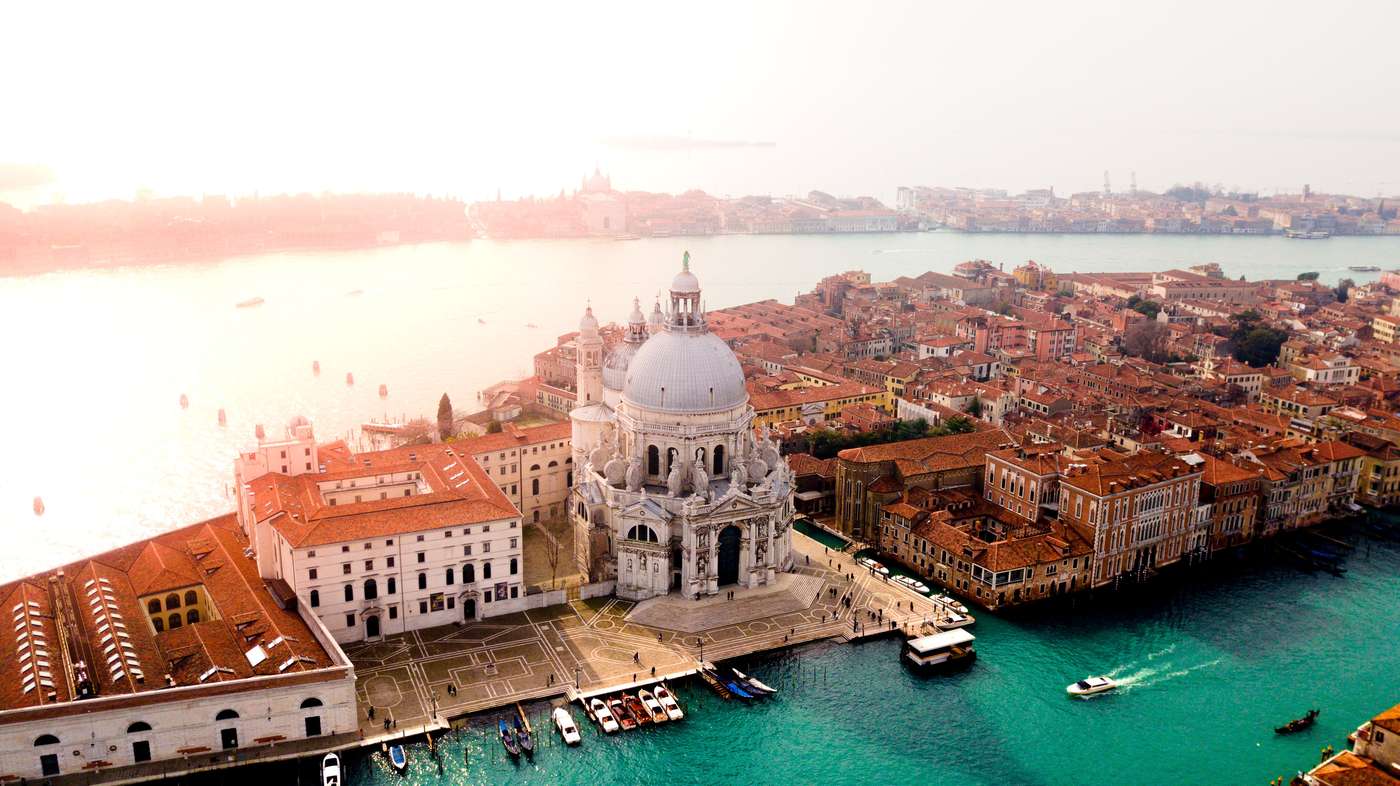
Venice – the city where getting lost is literally the point
✨ Good to Know
Culture Queen - Italy has more UNESCO World Heritage Sites than any other country in the world - 59 and counting - it's basically a massive, open-air, museum (with amazing food).
Pasta Power - there are over 350 different types of pasta in Italy - and yes, every shape has a purpose.
Price of a Pint - A beer costs €4 to €6 in most bars (slightly more in Rome, Venice and Milan). A sit-down meal at a local trattoria runs about €12 to €20 per head. Street food and pizza al taglio are the budget traveller's best friend - Saluti!
Local Lingo - Talk Like a Local
Italian is spoken across the whole country, but every region brings its own flavour. From the expressive southern dialects of Naples and Sicily to the sharper northern tones in Milan and Venice, the language shifts as you travel. One thing stays the same though, Italians love it when you make the effort.
Allora - You’ll hear this constantly. It loosely means “so” or “well,” and is often used to start a sentence or fill a pause. “Allora… where are we eating?” Very Italian.
Che bello! - “How beautiful!” or “How nice!” Perfect for when you’re staring out over Lake Como or wandering a Tuscan village. Simple, classic, and always lands well.
Magari - A wonderfully flexible word that can mean “maybe,” “if only,” or “I wish!” Someone suggests another Aperol Spritz? Magari! (Absolutely, yes please.)
Figurati - Means “no problem” or “don’t mention it.” A relaxed, friendly response when someone thanks you, effortlessly cool.
Fare aperitivo - Not just a phrase, a ritual. Pre-dinner drinks with snacks, usually early evening. In places like Milan, it’s basically a way of life.
Where should I go in Italy?
Italy is shaped like a boot, and it’s packed with more variety than a gelato stand. To find your perfect holiday, you’ve got to pick the right vibe...
Beach Lovers - head for the crystal-clear waters of Sardinia or the rugged, sun-soaked coastline of Sicily. These are the heavy hitters for a classic fly-and-flop.
City Slickers - if you want history with a side of Aperol, it’s gotta be the "Big Three" - Rome, Florence, and Venice. Perfect for ticking off the bucket list in one weekend.
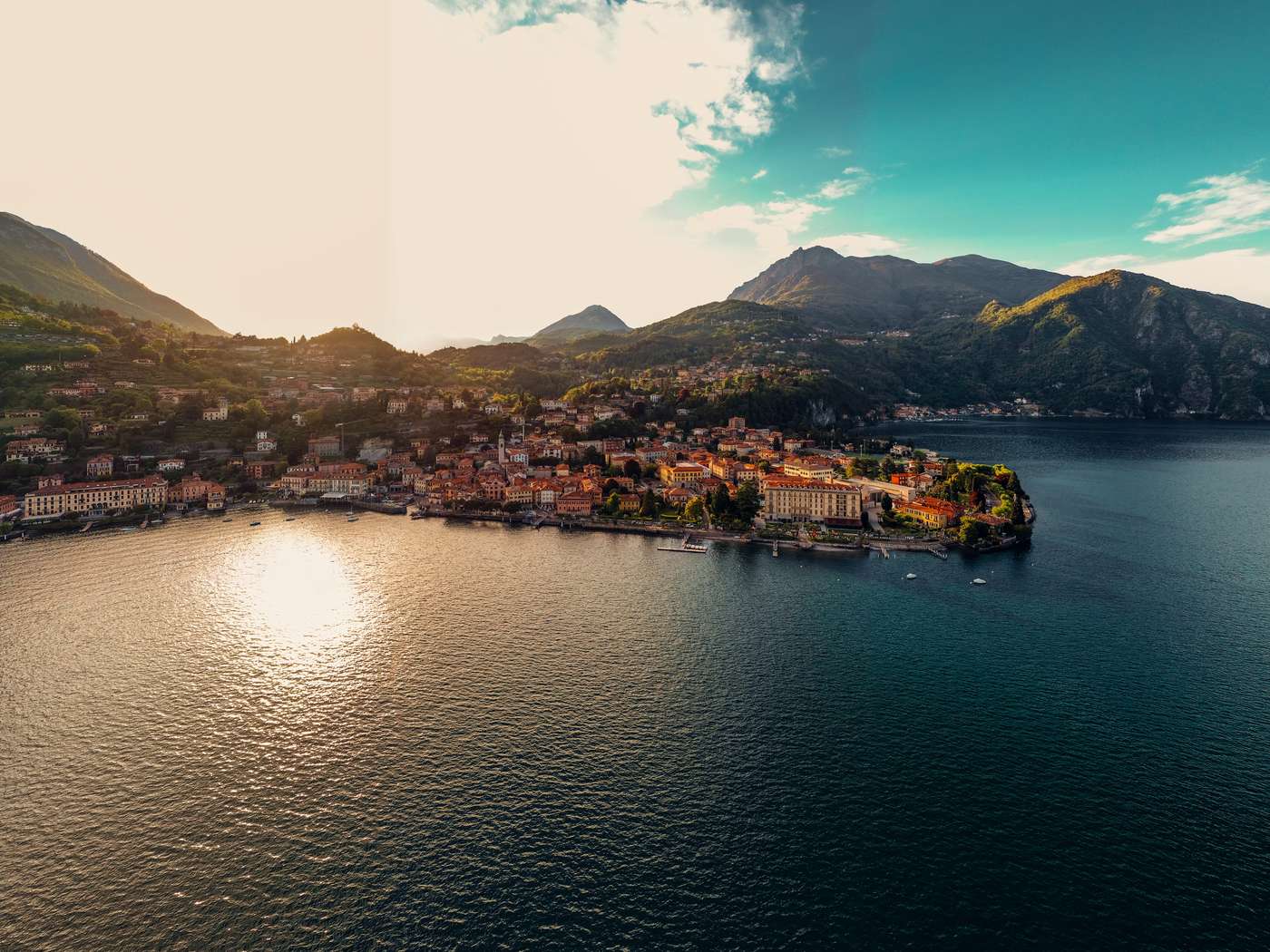
Lake & Scenery Seekers - for "wowzer" views and total relaxation, Lake Como and Lake Garda offer Alpine backdrops and lakeside dining that’ll make you feel like a movie star.
Foodies & Hidden Gems - want to escape the crowds? Head to Bologna (the food capital), Puglia (for those iconic white stone towns), or the rolling hills of Tuscany.
Where to Stay on your Holidays to Italy 2026/2027
Italy has everything from city breaks to beach escapes to lakeside retreats. Here are our most popular destinations for La Dolce Vita...
Best for Families
Lake Garda - the undisputed MVP for families. You’ve got the shallow waters of Sirmione for splashing around, and Gardaland (Italy’s biggest theme park) is right on your doorstep. Plus, it’s an easy day trip to Verona if you want to squeeze in some culture between the ice creams.
Sardinia - Italy's answer to the Caribbean, minus the long-haul flight. It’s home to some of the best all-inclusive resorts in the Med, with white sand beaches and turquoise waters that stay calm enough for even the littlest "Beachers."
Sicily - perfect for an active family holiday. You can hike (or take a cable car) up Mount Etna, explore ancient Greek temples that look like movie sets, and eat your body weight in Arancini.
Best for Couples
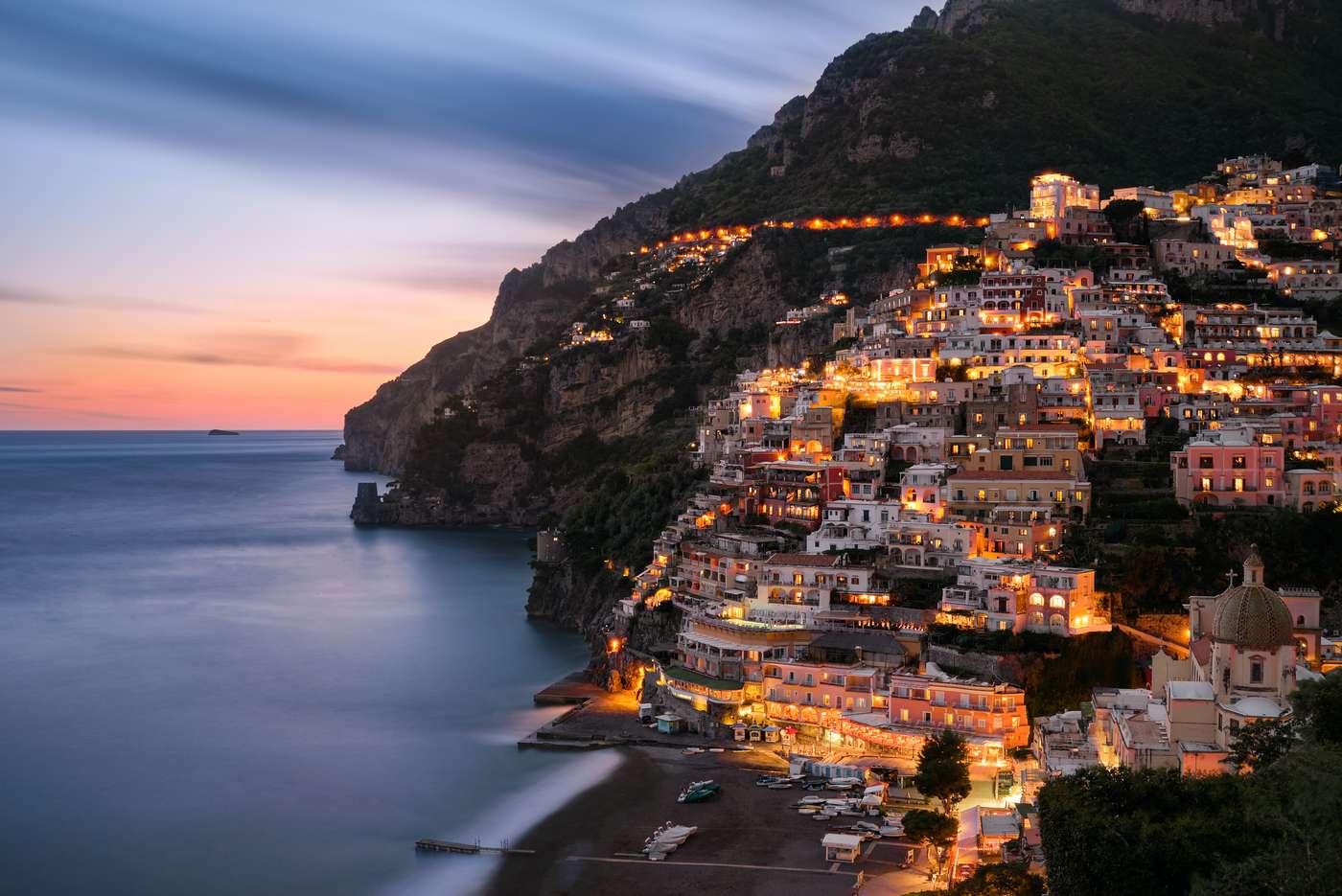
The Amalfi Coast & Sorrento - the stretch of coastline that launched a thousand Instagram posts. It’s all about clifftop towns like Positano, lemon groves, and sipping limoncello while the sun dips into the sea. Sorrento is the perfect base for romantic day trips to the island of Capri.
Lake Como - George Clooney’s neighbourhood and the ultimate spot for romance. Think elegant villas, mountain backdrops, and spending your afternoons ferry-hopping between Como and Bellagio.
Venice - there’s no road noise here - just the sound of water against the bridges. Get gloriously lost in the maze of alleyways, then find a hidden Bacaro bar for a spritz and some Cicchetti (Venetian tapas).
Best for City Slickers & Foodies
Rome - the Eternal City, where every street corner has a 2,000-year-old monument. It’s a "must-do" for history buffs wanting to see the Colosseum and Vatican, balanced out by the best pizza al taglio in the world.
Bologna & Tuscany - for the foodies! Bologna is the food capital (home to that meat sauce), while Tuscany offers rolling vineyards and Renaissance art in Florence. It’s the perfect "culture without the crowds" pick.
Naples - raw, chaotic, and utterly addictive. This is where pizza was invented, and with Vesuvius and Pompeii just a train ride away, it’s the ultimate "authentic" Italian experience.
All Inclusive Holidays To Italy
We're sure you've seen all the TikToks of people holidaying in Italy, looking lavish and sippin' on some fine wine or an Aperol Spritz. Were you jealous? Do you know how to get revenge? When you post your shot, in the same location, with an Aperol Spritz in each hand! Take your italian trip to the next level and get some proper good all inclusive hotel deals across the likes of Sardinia and Sicily, so you can either get in a romantic break just the two of you or bring the kids along and have a big ol' family jolly in Italy.
Top hotels for your Italy holiday 2026/2027
Italy’s hotels are as varied as its pasta shapes. From clifftop palaces to chic city boltholes, here are the "Beacher" faves that we’ve hand-picked for your next holiday:
Top Picks for Families
Leonardo Da Vinci (Lake Garda) - the king of family all-inclusive. It’s got a private beach, pools for days, and is just a stone’s throw from the thrills of Gardaland.
Hilton Sorrento Palace (Amalfi Coast) - a brilliant all-rounder. The kids get the citrus gardens to run around in, while you get a rooftop pool with lush views of the Gulf of Naples.
Top Picks for Couples
Hotel Rialto (Venice) - it doesn't get more "Venice" than this. You’re right by the Rialto Bridge, meaning you can have your breakfast while watching the gondolas bob past on the Grand Canal.
Grand Palladium Sicilia Resort & Spa (Sicily) - true five-star indulgence. With multiple pools and a spa that’ll make you forget the school run ever existed, it’s the ultimate "just us" escape.
Top Picks for Luxury & Style
Hilton Lake Como (Lake Como) - home to a rooftop infinity pool that is basically an Instagram dream. It’s elegant, swanky, and perfectly placed for a stroll to the posh villas of Como.
Grand Hotel Minerva (Florence) - wake up to views of the Duomo. This is "High Renaissance" luxury with a rooftop pool that’s perfect for a sunset Aperol.
Not sold on our faves? That's okay, we've got plenty more Italy hotels where they came from...
Last minute holidays to Italy
Last-minute holidays to Italy really tick every single box you can think of, whether it's an all-inclusive shaped box, a city break shaped box, a family jolly shaped box, or even a luxury shaped box. There's all to play for in this country; it kinda takes the cake (don't tell France). Doesn't it sound heavenly? You could book on Wednesday, put your OOO on on Friday, and be in strolling along the streets of Venice by Saturday morning... pure bliss!
What are the best beaches to head to on your Italy holidays?
Mainland & Amalfi Coast
Marina Grande Beach (Positano) – the ultimate "see and be seen" spot. It’s framed by those iconic pastel buildings and filled with high-end beach clubs.
Top Tip - expect to pay around €30–€40 for a sunbed and umbrella. If you want a cheaper vibe, follow the coastal path for 10 minutes to Fornillo Beach - it’s quieter and easier on the wallet.
Furore Beach (Amalfi) – this isn't your typical sandy stretch; it’s a tiny fjord tucked under a massive bridge. There are no facilities here, so bring your own snacks and water. It’s a bit of a trek down the stone steps, making it perfect for couples after a "secret" swimming spot.
La Gaiola Beach (Naples) – a snorkeller’s paradise in the heart of your city break. It’s a protected marine area where you can swim over ancient Roman ruins. Entry is free, but you must book your slot online in advance as visitor numbers are strictly capped.
Sardinia (The Italian Caribbean)
La Pelosa (Stintino) – this beach is so beautiful, it’s strictly protected. You must book your entry online (€3.50 per person), and you must use a straw mat under your towel to prevent sand loss. The water is shallow and turquoise for miles, making it the MVP for families with little ones.
Cala Goloritzé – no roads, no bars, no loungers - just pure nature. To get here, you either need to take a boat or commit to a one-hour hike down a mountain trail. You’ll need to book your spot via the "Heart of Sardinia" app (€7 fee) before you arrive. It’s a 10/10 for adventure seekers.
Sicily & the Islands
Spiaggia dei Conigli (Rabbit Beach), Lampedusa – regularly voted the best beach in the world. It’s a protected nature reserve, meaning no loud music or beach bars. Booking is mandatory, and access is split into morning and afternoon shifts to protect the nesting loggerhead turtles. It’s a 20-minute walk from the road, so wear sturdy shoes!
Italy Holidays 2026 Travel Guide
🥳 Things to do in Italy for Groups
Round up the squad because Italy is ready to host the ultimate group trip. Whether you are chasing culture, cocktails, or just a really good tan, here is where the vibe is popping off.
Lake Como Beach Clubs - channel your inner celeb (George Clooney, anyone?) at a boujee lido. Think Aperol Spritz in hand, stunning lake views, and vibes that are 10/10.
Rome Rooftops - after snapping a selfie at the Colosseum, head to a rooftop bar in Monti. Sip on Negronis while watching the sun set over the Eternal City – it’s a proper pinch-me moment.
Sorrento Bar Crawls - fuel up on pizza before hitting the lively bars of Sorrento. With Limoncello shots flowing and views of the sea, it’s a guaranteed belter of a night.
Milan Fashion & Fun - for the shopaholics and the party animals. Hit the designer stores by day and the Navigli canal bars by night for an electric atmosphere.
❤️ Things to do in Italy for Couples
Italy practically invented romance and the couples' holiday. From floating through canals to toasting with Chianti in the hills, here is how to earn some serious brownie points with your other half.
Venice Gondola Rides - it’s a classic for a reason. Drift through the silent canals with your beau for a moment that is straight out of a movie.
Positano Sunsets - head to the Amalfi Coast for the ultimate boujee escape. Watching the pastel houses glow pink at sunset is honestly gorge and perfect for a proposal (hint, hint).
Tuscany Wine Tasting - rent a car (or a Vespa!) and get lost in the rolling hills of Chianti. Sip on world-class reds and share a platter of meats and cheeses – pure bliss.
Florence Feasts - share a candlelit dinner of Bistecca alla Fiorentina (a mahoosive steak) followed by a romantic stroll across the Ponte Vecchio.
👨👩👧👦 Things to do in Italy for Families
Keeping the kiddos happy in Italy is easy peasy - mostly thanks to the pizza and ice cream. But beyond the snacks, here are the top spots for a stress-free family jolly.
Lake Garda Splash Parks - the lake is stunning, but the nearby theme parks (hello, Gardaland) are what will have the little ones buzzing.
Rome’s Gladiator School - let the kids burn off some energy by learning to fight like a gladiator. It’s educational, active, and way more fun than a museum.
Sardinia’s Beaches - with soft white sand and shallow, turquoise waters, Sardinia is ideal for little paddlers who want to splash about safely.
Gelato Hunting - turn sightseeing into a game. Who can find the best gelato in town? Spoiler: You’ll have to try a lot to find out.
🍽️ Things to do in Italy for Foodies
Prepare your belly, because the diet starts after the holiday. Italy is the food capital of the world, and every region brings something new to the table.
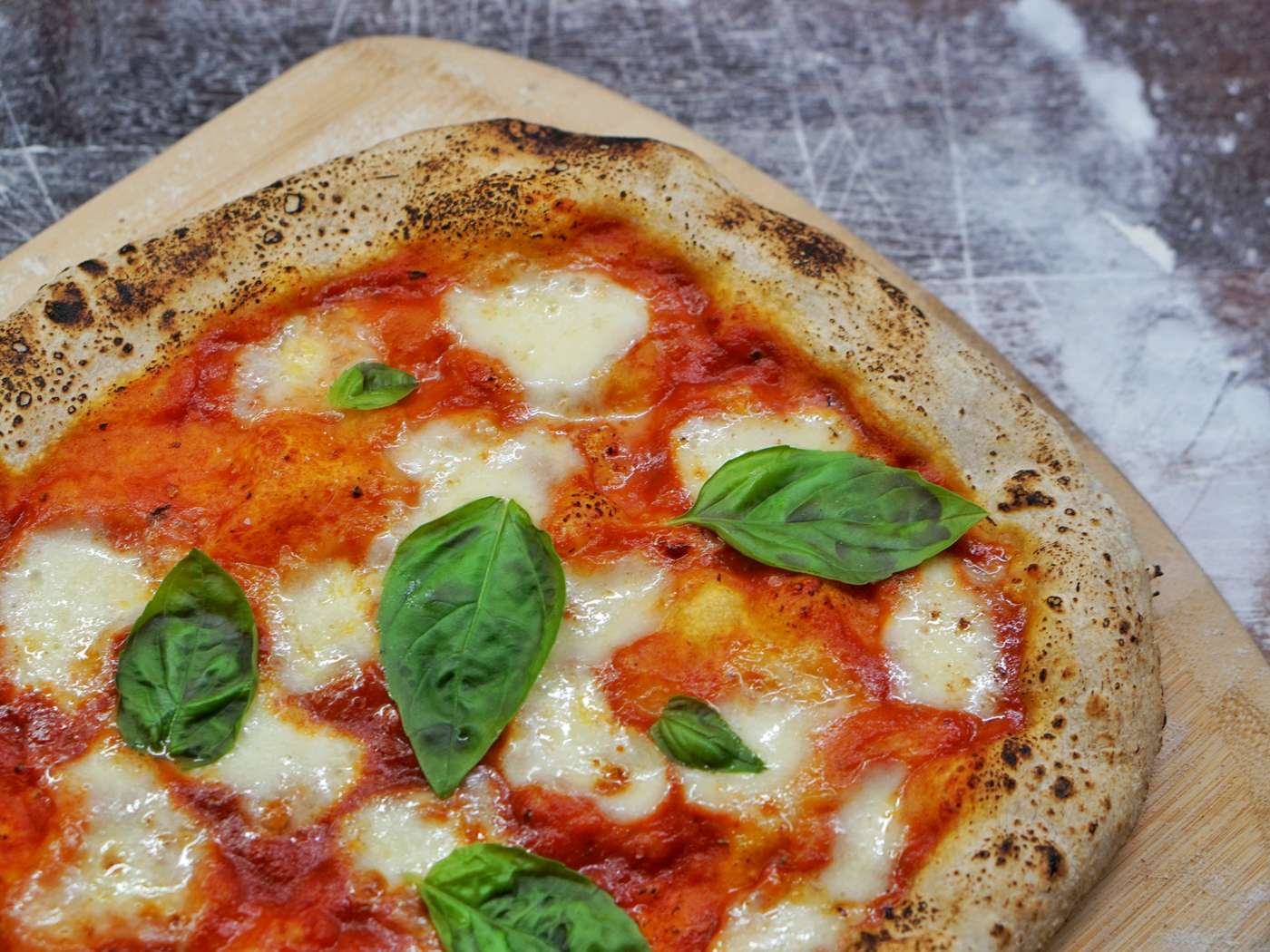
Naples Pizza - You haven’t had pizza until you’ve had it here. Go for a classic Margherita di Bufala—simple, sloppy, and absolutely mind-blowing.
Bologna Pasta - Head to the home of Ragu (don't call it Bolognese!) and Tortellini. It’s known as "The Fat One" for a reason—the food is rich, hearty, and top-tier.
Sicily’s Sweet Tooth - Dive into crispy Cannoli filled with sweet ricotta or cool down with a brioche and granita for breakfast (yep, ice cream for breakfast is allowed).
Coffee Culture - Start every morning standing at the bar with a cappuccino and a cornetto. Just remember the golden rule: No cappuccino after 11am if you want to blend in with the locals!
Cooking Classes - Don't just eat the food, learn to make it. Whether it’s rolling pasta in Tuscany or churning gelato in Rome, it’s a souvenir you can actually use back home.
🌍 Places to go in Italy:
We've got the lowdown on the most popular spots for your 2026 holidays:
Florence - the Renaissance heart of Tuscany, packed with world-class art galleries and leather markets. It’s the ultimate "posh" city break for those who like their culture served with a side of incredible steak and red wine.
Lake Como - the elegant choice for scenery seekers. Beloved by poets and movie stars for centuries, it’s all about botanical gardens, glacial mountain backdrops, and catching the ferry between the "Golden Triangle" towns.
Lake Garda - Italy’s biggest lake and the undisputed king of active family fun. You’ve got Gardaland for the thrill-seekers, the "wowzer" lakeside town of Sirmione, and enough windsurfing spots to keep the most active "Beachers" busy.
Puglia - the trending "heel of the boot" known for its unique Trulli houses and olive groves. It’s the spot for an authentic, slower-paced holiday with some of the most underrated (and affordable) beaches in Italy.
Rome - the "Eternal City" where you can’t walk five minutes without hitting a 2,000-year-old monument. It’s a bucket-list must for history buffs and anyone who wants to experience the original home of the Caesar salad (and much better carbonara).
Sardinia - Italy’s answer to the Caribbean, where the Costa Smeralda offers emerald waters and white sands. It’s a family favourite for a classic fly-and-flop holiday with some of the best all-inclusive resorts in the Med.
Sicily - the biggest island in the Med with a personality to match. From the smoking craters of Mount Etna to the ancient Greek temples of Agrigento, it’s a proper adventure for anyone who likes their sunshine with a bit of "drama."
Sorrento & Amalfi Coast - the most iconic coastline in Europe, where pastel-coloured towns like Positano seem to cling to the cliffs. It’s the go-to for a romantic escape filled with lemon groves and jaw-dropping Tyrrhenian Sea views.
Venice - a floating masterpiece of 118 islands connected by bridges. It’s the place to trade your taxi for a gondola and get gloriously lost in a maze of backstreets where the only traffic is a passing rowing boat.
If you're after something a little less popular, though, then there are plenty more places in Italy that you can jet off too...
Popular Italy hotels
More Italy hotelsStunning Italy resorts
Popular Lake Como destinations
Weather in Italy
JAN
FEB
MAR
APR
MAY
JUN
JUL
AUG
SEP
OCT
NOV
DEC
Think of Italy's weather as your favourite pair of pumps or trainers – comfortable, colourful and down for all occasions! When summer rolls in (June to August), temperatures crank the dial up to a sizzling 25-30°C. Perfect for lying on gorgeous beaches and maybe indulging in a gelato... okay, a cheeky second gelato... okay, a third and final gelato. Hey, who's keeping tabs?
Autumn (September to November) and Spring (March to May) in Italy are warm and enjoyable but not sweltering. We're talking temperatures around the peak years of teenage angst - 15-20°C. Ideal for sniffing out truffles in Umbria or swirling a glass of vino in Tuscany, right?
And winter (December to February)? It's not your typical freeze-fest. Italy keeps it comfy and a lil' toasty with the mercury hovering around 10-15°C. Picture yourself wrapped up in a cosy café, a steaming cappuccino in one hand, a cannoli in the other. Bellissimo!
View destination on a map
View destination on a map
FAQs
How long does it take to fly to Italy?
How long does it take to fly to Italy?
Italy has multiple international airports, and flight times from the UK vary by departure city and which Italian destination you're flying to. Most direct flights land at Rome Fiumicino (FCO), Milan Malpensa (MXP), Venice Marco Polo (VCE), Naples (NAP) or one of several regional airports depending on your destination.
Route | Flight time | Notes |
London to Rome | approx. 2h 30m | Heathrow, Gatwick, Stansted, Luton |
London to Milan | approx. 2h 00m | Shortest UK–Italy route |
London to Venice | approx. 2h 20m | |
London to Naples | approx. 2h 50m | |
London to Sicily (Catania/Palermo) | approx. 3h 00m | |
Manchester to Rome | approx. 2h 50m | |
Manchester to Italy generally | approx. 2h 45–3h 10m | |
Edinburgh/Glasgow to Italy | approx. 3h–3h 30m |
Airlines operating direct UK–Italy routes include British Airways, easyJet, Ryanair, ITA Airways and Jet2. Italy is genuinely one of the most accessible European destinations from the UK, from London, you can be in Milan faster than you can get to Edinburgh by train.
What’s the time difference between the UK/Ireland and Italy?
What’s the time difference between the UK/Ireland and Italy?
Italy follows Central European Time (CET, UTC+1) in winter and Central European Summer Time (CEST, UTC+2) in summer. Italy changes its clocks at the same time as the UK, which means it is always exactly 1 hour ahead of the UK and Ireland, all year round, no seasonal exceptions.
Summer (late March–late October): UK/Ireland (BST, UTC+1) vs Italy (CEST, UTC+2). Italy is 1 hour ahead.
Winter (late October–late March): UK/Ireland (GMT, UTC+0) vs Italy (CET, UTC+1). Italy is still 1 hour ahead.
Simple, consistent and worth remembering when booking restaurant tables or connecting with home.
What currency do they use in Italy?
What currency do they use in Italy?
The official currency in Italy is the Euro.
What language do they speak in Italy?
What language do they speak in Italy?
The official language is Italian, though you will find many English speakers in tourist destinations - your Duolingo streak will suffer, it's inevitable.
When's the best time to visit Italy?
When's the best time to visit Italy?
Italy rewards visitors all year, but the experience varies significantly by season.
April–May: The sweet spot. Warm, uncrowded, everything open, wildflowers in Tuscany and the countryside. One of the best times to visit across the whole country.
June–August: Peak summer. Hot everywhere, extremely crowded in Rome, Florence and Venice, prices at their highest. Coastal destinations and lakes come into their own. July and August in inland cities can be overwhelming, many locals leave. Avoid if you can; if you can't, book everything well in advance and start early in the day.
September–October: Arguably the finest time to visit. Warm sun, retreating crowds, grape harvest in wine regions, lower prices than summer. September in particular is exceptional.
November–March: Off-season. Fewer tourists, lower prices, cooler weather. Rome and Naples are genuinely pleasant in winter. Northern cities get cold and wet. Many coastal resorts close entirely from October to April.
Best time by destination type
Destination | Best months |
Rome | April–May, September–October |
Amalfi Coast | May–June, September |
Tuscany | April–May, September–October |
Venice | November–March (crowds and heat manageable) |
Lakes (Como, Garda) | May–June, September |
Sicily | April–June, September–October |
Is Italy good for families?
Is Italy good for families?
Absolutely. Italians love kids, the food is universally popular (pizza, pasta, gelato), and there's loads to do from beaches to theme parks to ancient ruins that'll spark their imagination.
What's the deal with tipping in Italy?
What's the deal with tipping in Italy?
Tipping is not obligatory in Italy, waiters are paid a proper wage and do not depend on tips as part of their income the way they do in the US. Most Italians do not tip at all, or simply round up the bill or leave the small change.
That said, for genuinely excellent service, leaving 5–10% in cash is appreciated and entirely appropriate. The key word is cash, there is no tip line on Italian card receipts, so if you want to tip, leave it on the table or hand it directly to your server.
A few specific situations: for taxis, simply round up to the nearest euro. For tour guides providing an exceptional private tour, €5–€10 per person for a half-day and €10–€20 per person for a full day is a generous acknowledgement. For hotel porters, €1–€2 per bag is appropriate.
The one thing to be absolutely clear on: the coperto charge on your bill is not a tip and leaving extra on top of it is not expected. See the answer below.
What's the coperto charge on my restaurant bill in Italy?
What's the coperto charge on my restaurant bill in Italy?
The coperto (cover charge) is a per-person fee charged at virtually all sit-down restaurants in Italy, it is completely normal, not a scam and not a tip. It typically ranges from €1 to €3 per person and covers table service, bread, breadsticks and the general cost of setting your place. It appears as a separate line item on your bill.
The coperto is paid to the restaurant, not to the serving staff, leaving a tip on top of it is entirely at your discretion. You will not be charged a coperto if you order coffee or a drink standing at the bar rather than sitting at a table. If a restaurant charges significantly more than €3 per person for coperto, particularly in heavily tourist-facing areas of Venice, Rome or Amalfi, that is worth questioning, but the charge itself is entirely standard Italian dining culture.
Can I drink the tap water in Italy?
Can I drink the tap water in Italy?
Yes, tap water in Italy is safe to drink and meets strict EU standards. Italy's water is tested rigorously and regularly, and the majority of the country's supply comes from natural springs and mountain aquifers, particularly in the north. Rome alone has over 2,500 public drinking fountains (nasoni) providing continuously flowing, safe, free drinking water throughout the city.
Two things to know: first, restaurants will almost always bring you bottled water unless you specifically ask for tap water, ask for acqua del rubinetto (tap water) or acqua corrente if you prefer it. Second, look out for the sign acqua non potabile on ornamental or decorative fountains, this means the water is not for drinking. Any fountain or tap without this sign is safe.
The water is sometimes described as hard and mineral-rich, particularly in the south, which affects the taste rather than the safety. If you're carrying a reusable bottle, Italy's public fountains make it one of the easiest countries in Europe to stay hydrated for free.
Do I need to book restaurants in advance in Italy?
Do I need to book restaurants in advance in Italy?
For popular trattorias and any restaurant in Rome, Florence or Venice that appears on a recommended list, yes, book ahead, particularly in peak season (June–September). Walk-ins are perfectly possible at lunchtime and at less well-known places, but the restaurants that deserve to be busy usually are, and showing up without a reservation at 8:30pm in high season is a gamble.
A few practical points: Italian restaurants typically operate two services, lunch (12:30–2:30pm) and dinner (7:30–10:30pm) and many close for several hours in between. Booking is usually done by phone or email; online reservation systems are common in tourist cities but less universal elsewhere. Turning up for a table at 6pm will often meet with blank looks, Italians simply don't eat that early.
For iconic experiences, Osteria Francescana in Modena, Da Ivo in Venice, or anywhere recommended in prominent food guides, book weeks or months in advance.
What are the trains like to get around Italy?
What are the trains like to get around Italy?
The train is by far the best way to travel between Italian cities, fast, affordable, scenic and far more convenient than flying or driving for most inter-city journeys. Italy has two competing high-speed rail operators: Trenitalia (state-owned, Le Frecce trains) and Italo (private). Both connect the major cities at speeds up to 300km/h and are broadly comparable in comfort and price, check both before booking.
Key journey times by high-speed train
Route | Time |
Rome to Naples | approx. 1h 10m |
Rome to Florence | approx. 1h 30m |
Florence to Milan | approx. 1h 45m |
Rome to Milan | approx. 3h |
Rome to Venice | approx. 3h 30m |
Book high-speed train tickets in advance, prices rise closer to departure and popular routes sell out during peak season. One critical point: if you buy a paper regional train ticket, you must validate (stamp) it in the machine on the platform before boarding or you face an on-the-spot fine.
What other ways are there to get around Italy?
What other ways are there to get around Italy?
The answer depends on where you're going, but the train handles most of what most visitors need.
Train is the default for city-to-city travel. Italy's high-speed network (Trenitalia's Le Frecce and Italo) connects all major cities reliably and comfortably. Buy in advance for best prices and to guarantee seats on busy routes. On regional trains you must validate (stamp) paper tickets before boarding at the machine on the platform.
Car hire becomes essential once you leave the main cities, for Tuscany's hill towns, the Amalfi Coast, rural Sicily or anywhere off the rail network, a car is the only practical option. Note that most Italian city centres operate ZTL zones (Zona a Traffico Limitato) where access is restricted to residents, driving into these without permission results in automatic fines sent to your home address.
Vaporetto in Venice, the water bus is the primary public transport network across the city. Buy a multi-day pass rather than paying per journey if you're staying more than a day.
Metro exists in Rome (Lines A, B and C), Milan (one of Italy's most extensive), Naples and a handful of other cities, useful for longer cross-city journeys but limited compared to northern European systems.
Domestic flights are rarely worth it, the high-speed trains between Rome, Milan, Florence and Naples are faster door-to-door than flying once airport time is factored in. Internal flights make sense only for Sicily, Sardinia or the far south.